

100× faster pulse
Picosecond pulses are 100 times shorter than traditional Q-Switched lasers. More impact, less heat, better clearance.
Zero downtime
Return to work or school immediately after your session. Redness and swelling subside within hours to a day or two.
Lower PIH risk
Minimal heat means minimal surface tissue damage, significantly reducing the likelihood of post-inflammatory hyperpigmentation.
Fewer sessions
Higher clearance rate per session compared to older laser technology so you spend less time in the treatment chair.
The technology
What is Pico Laser?
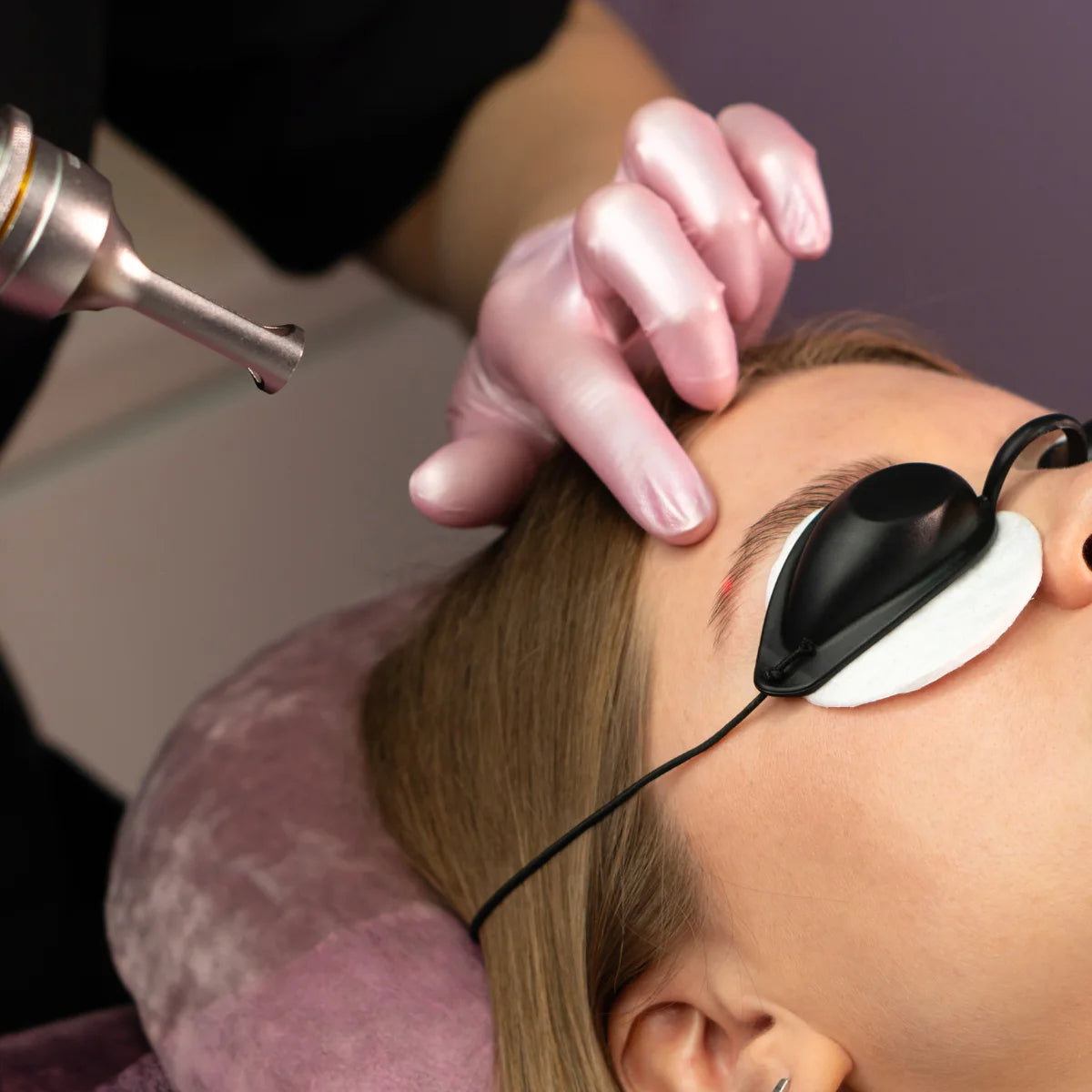
Picosecond Laser delivers ultra-short pulse bursts — each just one trillionth of a second — creating a powerful pressure wave that shatters tattoo ink into dust-like particles. The body then absorbs and eliminates them naturally.
Because pulses are so rapid, heat dissipates almost instantly. Less heat means less tissue damage, less swelling, and significantly lower chance of scarring compared to traditional nanosecond (Q-Switched) technology. The sensation is commonly described as a rubber band snapping against the skin.
What happens during each session
How it works
01 — Laser targets the ink
Ultra-short pulses hit the pigment with enormous pressure before surrounding skin has time to absorb heat. Photoacoustic effect, not photothermal.
02 — Ink shatters into dust
The pressure wave breaks ink into microscopic particles — far smaller than what traditional lasers achieve, and far easier for your body to clear.
03 — Your body clears it
Your immune system absorbs and flushes the fragments naturally in the weeks after each session. The healthier you are, the faster you'll see results.
04 — Repeat until clear
Sessions vary by ink colour, tattoo age, size, and skin tone. Coloured tattoos need more sessions than black and grey. We'll personalise your plan after your first treatment.
Before your session
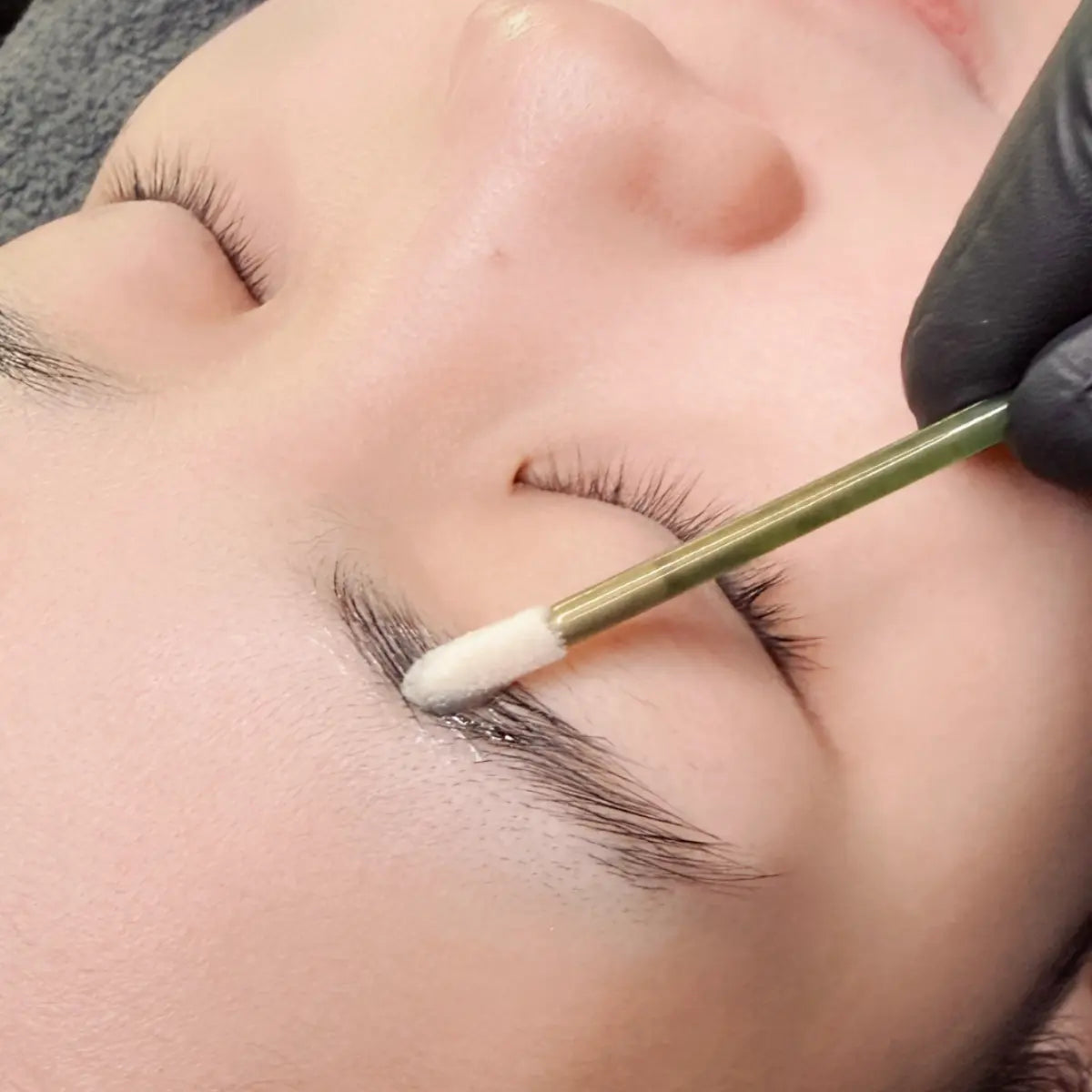
Topical numbing cream is applied before every session to maximise comfort.
During the treatment
The sensation is commonly described as a rubber band snapping against the skin & bearable for the vast majority of clients. You may notice temporary white frosting on the skin surface immediately after each pass; this is normal and subsides quickly.
Right after the session
Expect redness and mild swelling. Blisters and scabs may form over the following days — this is a normal part of the healing process. Keep the area moist and do not pick, rub, or scratch the skin.
Between sessions
Redness and swelling typically subside within a few hours to a couple of days. As scabs fall off naturally, you'll begin to see the ink fade. Results continue to improve as your body clears the remaining particles before your next session.
What to know before you book
Common questions
Every tattoo is different. Ink colour, size, age, whether it was applied professionally or amateurly, and your skin tone all affect the number of sessions. Coloured tattoos are more resistant than black and grey and may require additional sessions. We'll give you a personalised estimate after your first treatment and after seeing how your body responds.
Pain responses vary between clients, some say it doesn't hurt at all, others describe a mild pinching or burning sensation. Topical numbing cream is applied before every session. The sensation is most commonly described as a rubber band snapping against the skin.
The interval between your session is 2 weeks. After your final removal session, we recommend waiting 1 to 3 months before getting a new tattoo on the same area.
Avoid water on the treated area for 3 hours after the procedure. After that, keep the area clean with cool water and an oil-free cleanser. Avoid direct sun exposure, fragranced products, and makeup on the area. The most important rule: do not pick, rub, or scratch any scabs — let them fall off naturally to avoid scarring.
No. You can return to work or school immediately after your session. Redness and swelling will subside within a few hours to a day or two depending on the size and intensity of the tattoo.
Pico Laser can be used on all skin tones. However, darker skin tends to absorb more laser energy, which means settings need to be carefully adjusted and more sessions may be required. This is always assessed and discussed during your consultation.
Your fresh start is one consultation away.